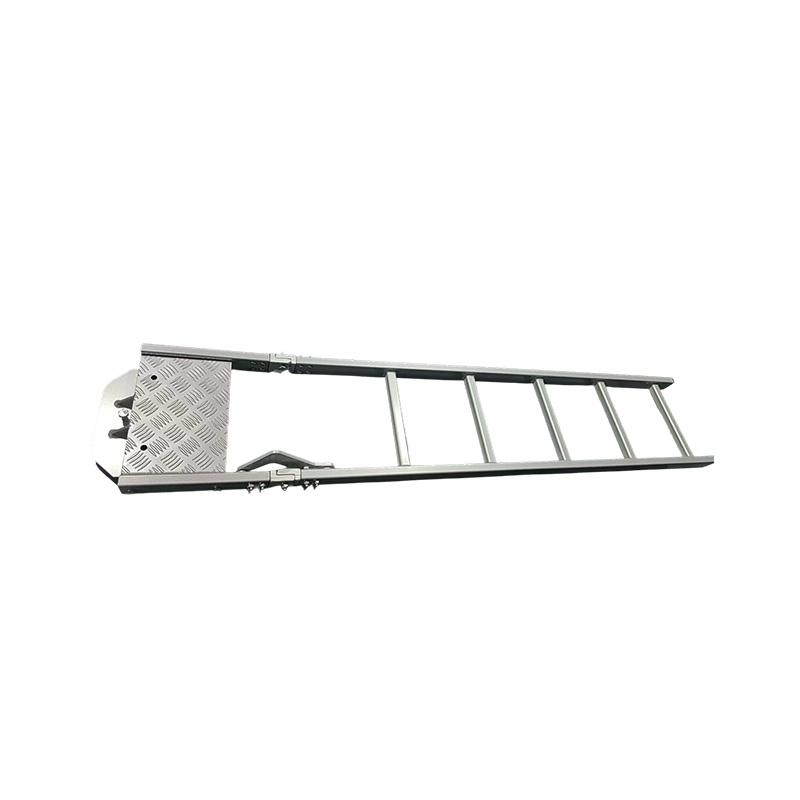

The core structure of an aluminum alloy ladder includes ladder columns, steps, hinges, and locking devices. Its deformation usually stems from localized stress concentration or insufficient overall rigidity.
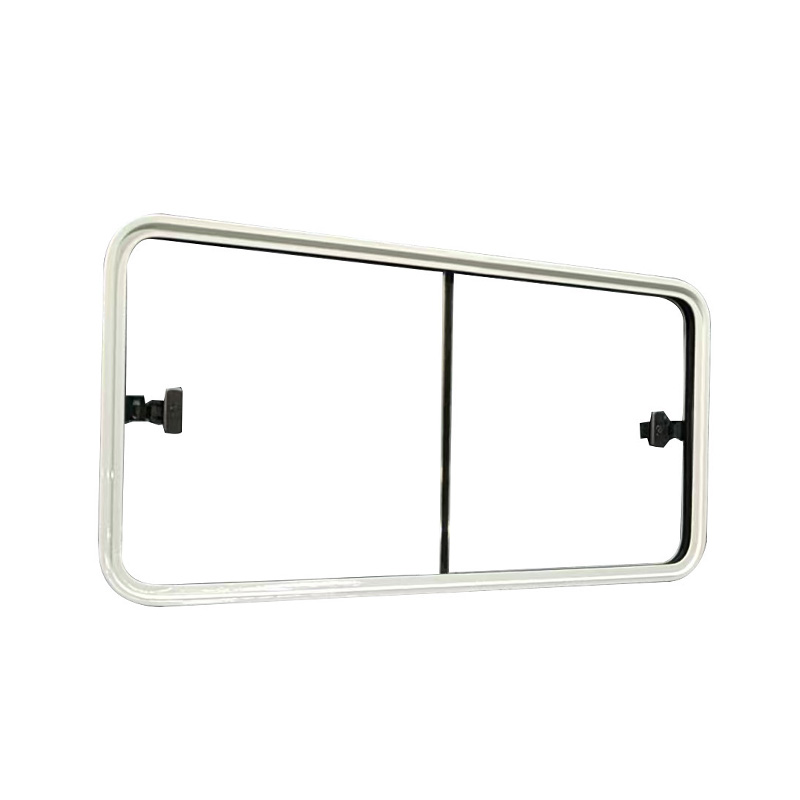
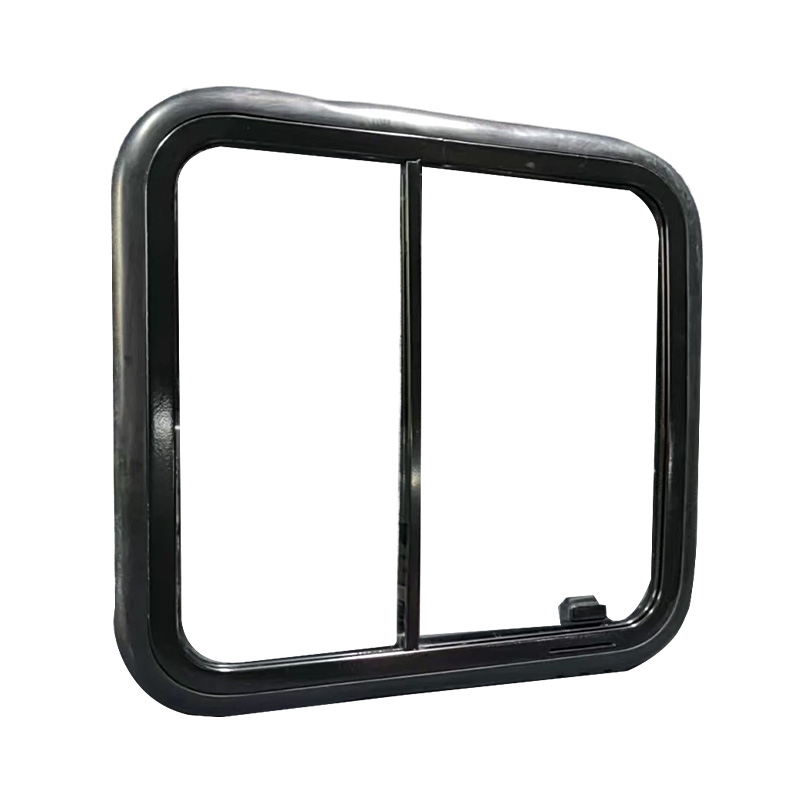
As a crucial component of engineering machinery, engineering vehicles, and special vehicles, aluminum alloy engineering vehicle windows require excellent corrosion resistance and oxidation resistance due to their long-term outdoor use.
In the welding process of aluminum alloy ladders, the occurrence of defects such as cracks is often closely related to improper control of welding parameters.
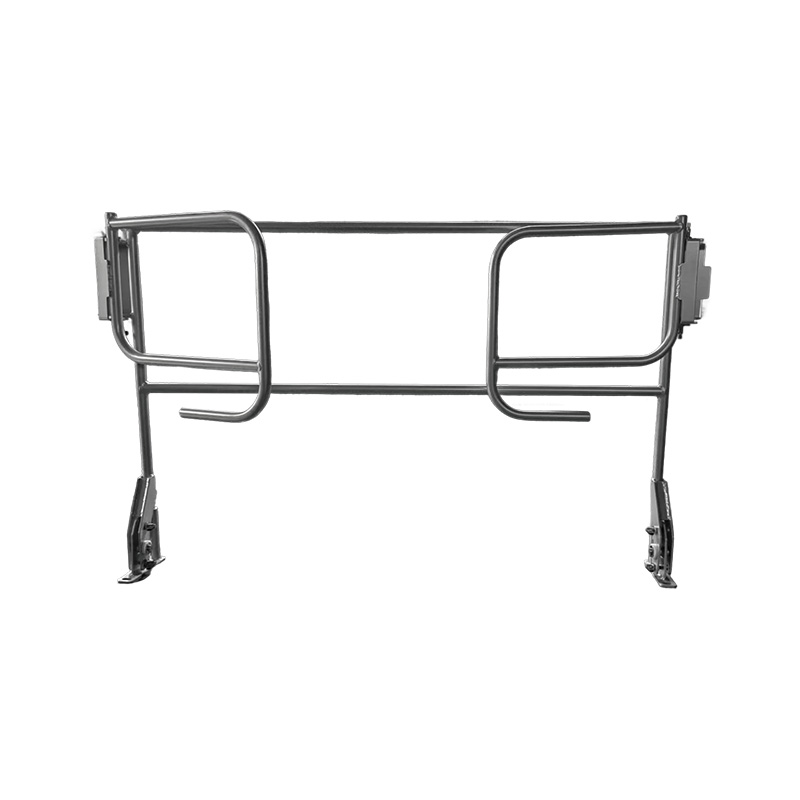
Through a unique alloy formula, advanced heat treatment processes, and ingenious structural design, aluminum alloy guardrails have achieved impact resistance comparable to or even surpassing that of ordinary carbon steel, while reducing weight to one-thir
Aluminum alloy stretcher platforms, with their "light as a feather, strong as a shield" characteristics, have become the mainstream choice for modern emergency equipment.
From a mechanical perspective, adjustable legs significantly improve the ladder's resistance to tipping by optimizing the distribution of support points.